🔍 Project Overview: The $6 Billion Question
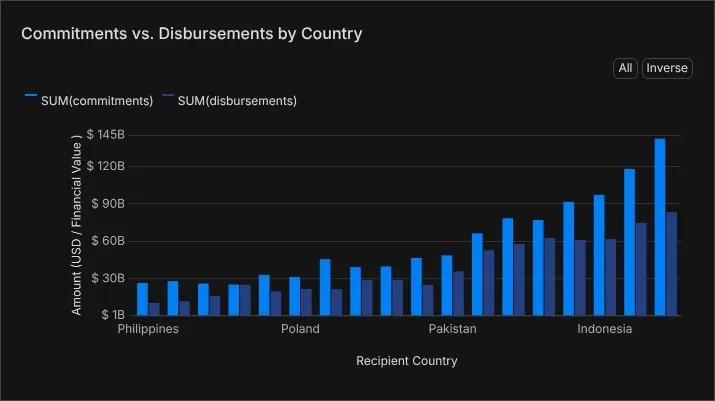
Every year, billions are pledged to global development and relief, but do these funds actually reach their intended destinations? This project exposes a staggering deficit between massive financial commitments (over 1.23 Million). The core issues lie in a lack of transparency, funds evaporating into astronomical administrative overheads, and active manipulation through project fragmentation to evade audits.
⚙️ Architecture & ETL Workflow
The project revolves around a robust data pipeline integrating ProPublica, World Bank, and AidData sources to uncover the truth.
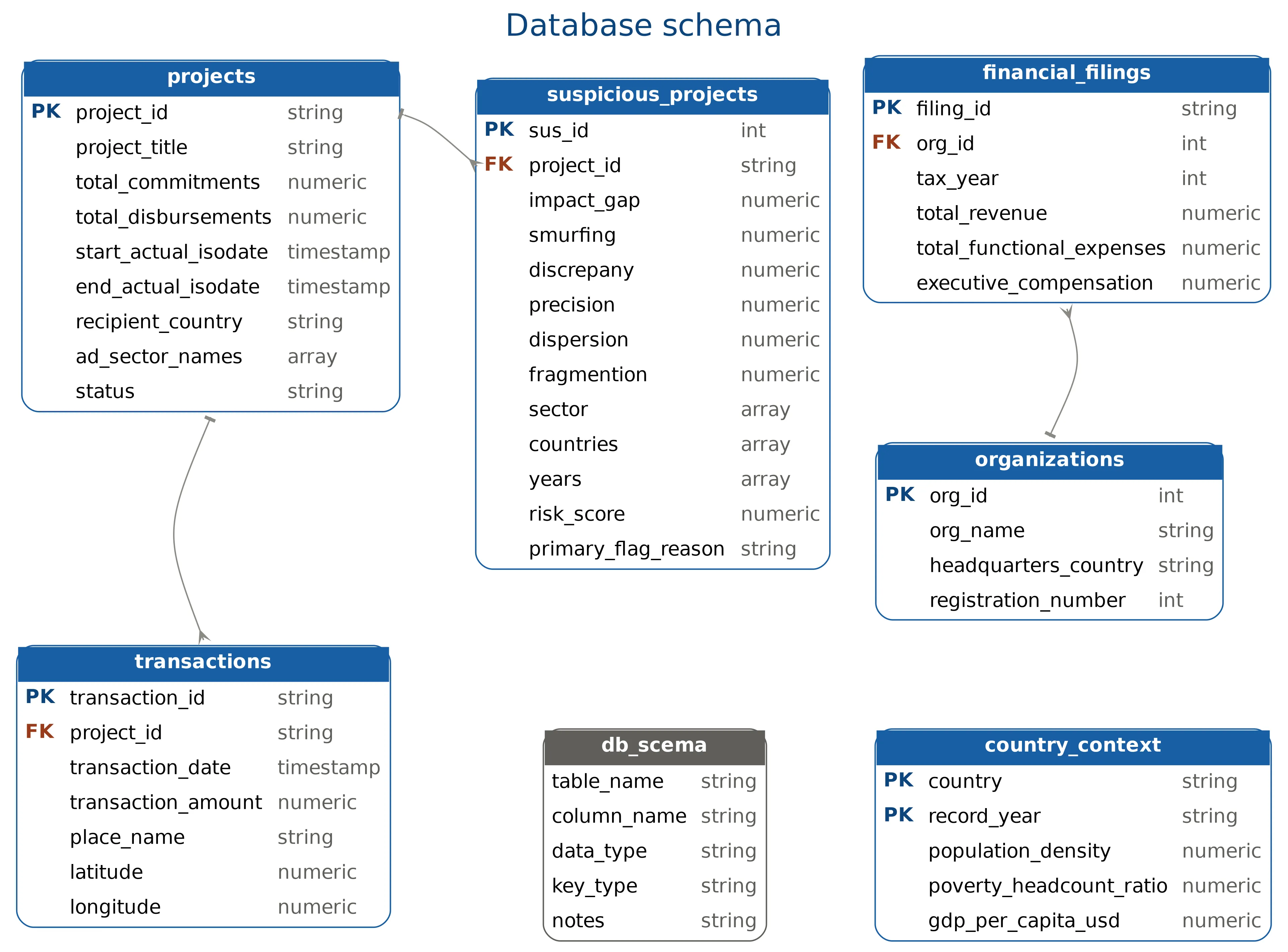
- Extraction: Fetched organizational financial filings and macroeconomic indicators via APIs, alongside massive geospatial CSVs.
- Transformation (PostgreSQL): Data cleaning, type casting, and array conversions were handled entirely within PostgreSQL using the
DIIP.sqlscript. - Risk Scoring Engine: Executed a Min-Max Normalization algorithm in SQL to calculate risk scores based on financial gaps, smurfing, geographic dispersion, and sectoral fragmentation.
📊 Investigative Data Story & Key Findings
The analysis transitioned to Apache Superset to build an interactive dashboard that visualizes the global donation deficit.
1. Massive Pledges, Minimal Execution
We tracked 1.23 Million in actual disbursements, highlighting a severe bottleneck before funds reach recipient countries.
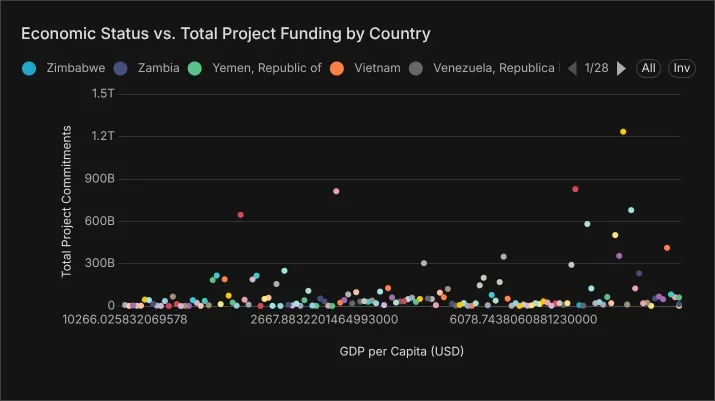
2. Is the Money Following the Need?
Funding is often randomly distributed, ignoring the actual GDP per capita of recipient nations, indicating allocation is driven by factors other than pure economic need.
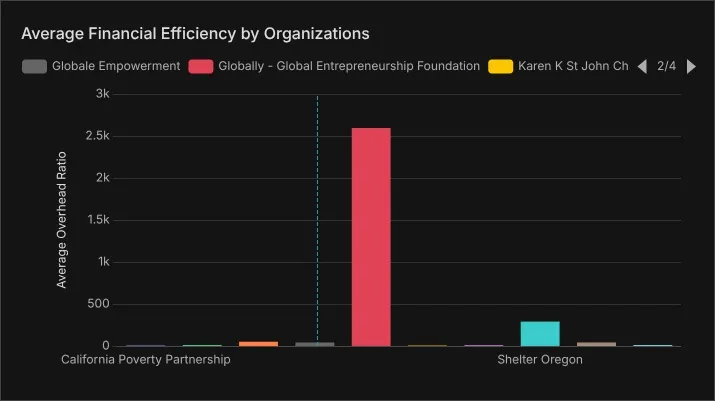
3. The Intermediary Absorption
Organizations operating with astronomical administrative overhead ratios are absorbing millions into operational costs rather than executing promised projects.
4. Active Manipulation Tactics
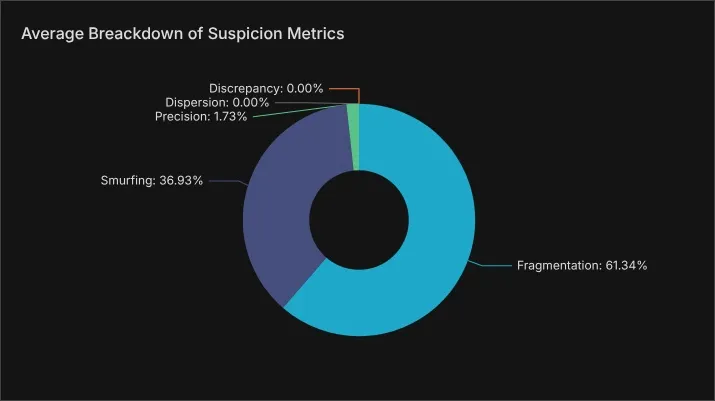
The system is actively gamed, with 61.34% of suspicious projects using “Fragmentation” (splitting funds across confusing categories) and 36.93% using “Smurfing” (breaking large funds into micro-transactions).
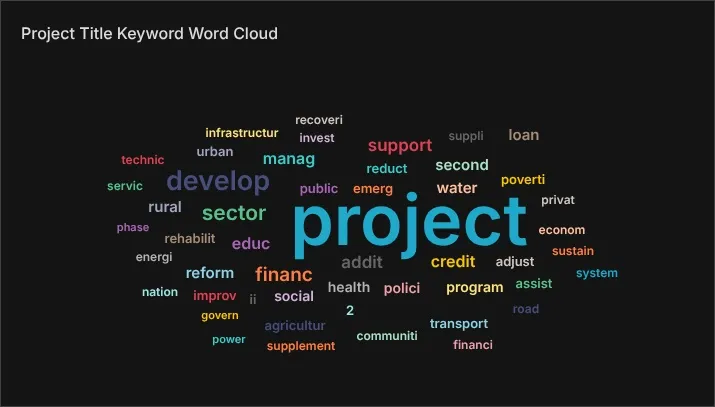
Vague, repetitive terms like “project” and “develop” dominate project titles, obscuring specific, trackable deliverables.
5. Spatial Reality of Risk
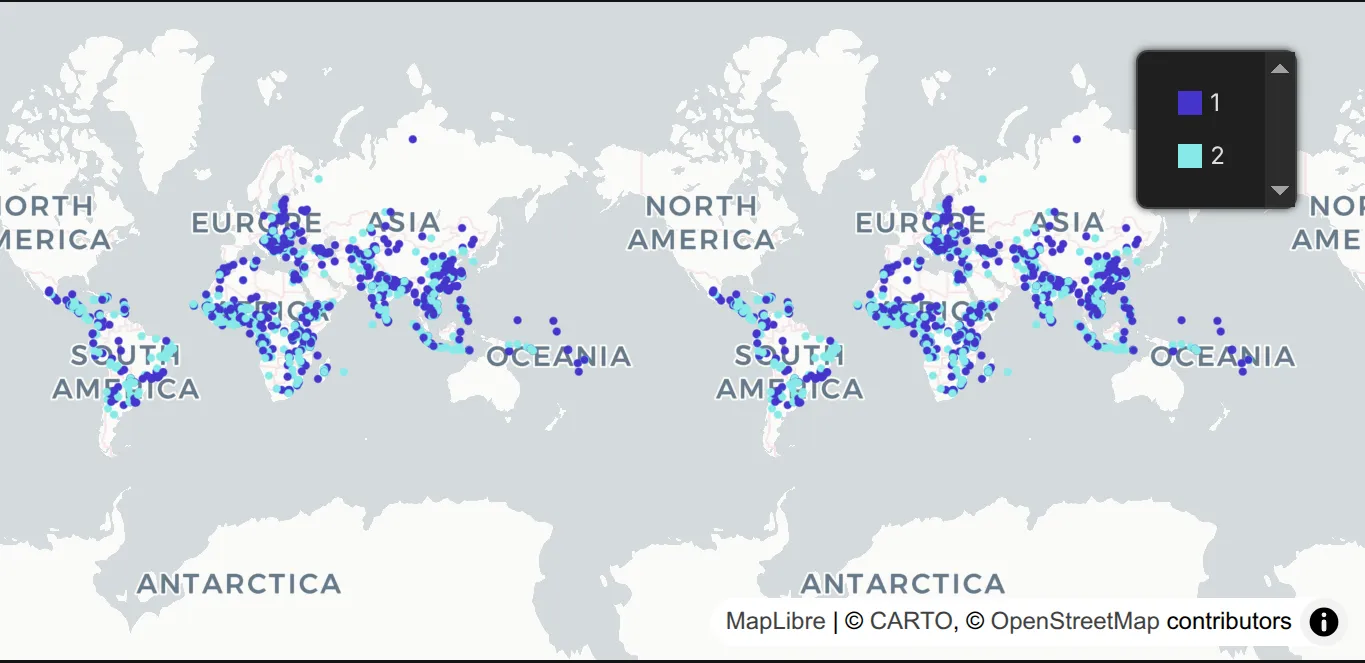
High-risk transactions cluster in specific global pockets, proving that risk is a systemic pattern concentrated in regions with compromised financial oversight.
🚧 Roadblocks & Data Caveats
- Encountered cloud hosting constraints with Superset via Docker, shifting to a robust, Code-First Reproducible approach.
- Engineered a robust retry mechanism in Python to mitigate unstable responses from the World Bank API.
- Aggregation Caveat: The
$6.22B vs $1.23Mfigure usesDISTINCTaggregations, which may silently drop legitimate duplicate rows and understate true totals. - Geospatial Caveat: Joining transactions on
project_idalone can inflate geographic dispersion scores for projects with multiple locations.
💡 Strategic Recommendations
- Cap Administrative Overhead: Enforce a strict maximum overhead ratio for all civil society partners.
- Milestone-Based Disbursements: Shift from bulk commitments to micro-releases tied strictly to verified, geolocated milestones.
- Algorithmic Auditing: Deploy this exact risk-scoring engine to flag anomalies like ‘Smurfing’ before funds are approved.
🔗 Project Repository: View Full Source Code on GitHub